All Saints’ Day (Nov 1): The Ordinary Saints Who Shaped Your Faith
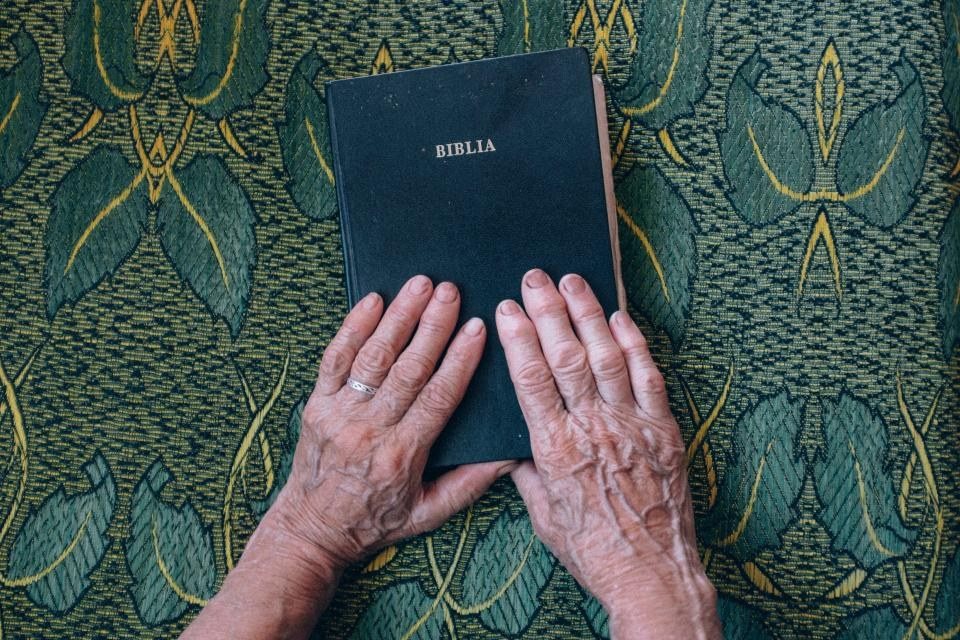
Picture someone cleaning out a late grandmother’s kitchen drawer. Beneath the rubber bands and expired coupons is her Bible, the spine taped twice and the margins crowded with pencil notes.
On the inside cover is a list of names she prayed for. The grandchild’s name is near the top, written years before they ever opened a Bible on their own.
That list is the kind of thing All Saints’ Day was made for.
Quick answer
All Saints' Day is a Christian feast on Nov. 1 that honors all saints, known and unknown. In 2026 it falls on a Sunday. Catholic, Episcopal and Methodist churches observe it, and many congregations read the names of members who died in the past year and thank God for the faithful who came before.
Key takeaways
- All Saints' Day falls on Sunday, Nov. 1, in 2026.
- Many United Methodist churches mark it on the first Sunday in November, which is Nov. 1 this year.
- The feast's November date traces to a chapel Pope Gregory III dedicated in Rome.
- In the New Testament, ordinary believers are called God's holy people.
- Honor a living saint this week with a specific, written thank-you.
All Saints’ Day arrives this Sunday, Nov. 1, 2026. Because the feast lands on a Sunday this year, congregations that observe it on the date itself and those that keep “All Saints’ Sunday” on the first Sunday of November will be marking it together.
It is one of the oldest feasts on the Christian calendar, and one of the most personal. Beyond the famous names in stained glass, it invites every believer to remember the ordinary people who carried the faith to them.
When is All Saints’ Day in 2026, and who observes it?
All Saints’ Day is always Nov. 1. The Episcopal Church’s glossary describes it simply: it “commemorates all saints, known and unknown, on Nov. 1.” The church lists it as “one of the seven principal feasts of the church year, and one of four days recommended for baptisms.”
Roman Catholics, Episcopalians and United Methodists all keep the day in some form, along with many other traditions. In United Methodist congregations, a United Methodist resource page notes that the day is “celebrated on the first Sunday in November,” when “many congregations light candles, ring bells of remembrance, and call the names of those lost in the previous year.”
If your church reads names this Sunday, you may hear a few you know. That moment of silence after each name is the heart of the day.
Where did All Saints’ Day come from?
Its exact origins are hard to trace, but the outline is well documented. According to the Catholic Encyclopedia, Pope Boniface IV consecrated the Pantheon in Rome “to the Blessed Virgin and all the martyrs” around 609 or 610 and ordered an annual anniversary.
The November date came later. Pope Gregory III, who served from 731 to 741, dedicated a chapel in St. Peter’s Basilica to all the saints and fixed its anniversary on Nov. 1. Pope Gregory IV, who served from 827 to 844, extended the Nov. 1 celebration “to the entire Church.”
A companion day follows. In Catholic practice, “the commemoration of all the faithful departed is celebrated by the Church on 2 November,” as the Catholic Encyclopedia’s entry on All Souls’ Day puts it.
The Protestant tradition kept the day, too. John Wesley, the founder of Methodism, wrote about the day again and again over more than 30 years. In 1767 he called it “a festival I truly love,” according to United Methodist Communications, and in 1788 he wrote, “I always find this a comfortable day.”
For a wider look at how the church year moves from feast to feast, see our easy guide to Christian festivals.
Who counts as a saint?
Many people hear “saint” and picture a statue. The New Testament uses the word more broadly. When Paul opens his letter in Ephesians 1:1 (NIV), he writes “to God’s holy people in Ephesus, the faithful in Christ Jesus.” Other translations render that phrase as “the saints.” Paul was writing to ordinary believers: tradespeople, parents, servants and neighbors.
United Methodist teaching reflects that wide view. Its article on Wesley describes the “communion of saints” in the Apostles’ Creed as including believers who have died and those still living, from your own congregation to Christians around the world.
Hebrews 12:1 (NIV) pictures them as a crowd cheering from the stands: “Therefore, since we are surrounded by such a great cloud of witnesses, let us throw off everything that hinders and the sin that so easily entangles. And let us run with perseverance the race marked out for us.” Read the whole passage at Bible Gateway.
Being called holy is less about having arrived and more about belonging to God while he keeps shaping you. Our guide to the theology of sanctification explains that lifelong process.
“Therefore, since we are surrounded by such a great cloud of witnesses, let us throw off everything that hinders and the sin that so easily entangles. And let us run with perseverance the race marked out for us.”
Hebrews 12:1 (NIV)
Who are the ordinary saints in your story?
Paul knew exactly where young Timothy’s faith came from. In 2 Timothy 1:5 (NIV) he writes, “I am reminded of your sincere faith, which first lived in your grandmother Lois and in your mother Eunice and, I am persuaded, now lives in you also.”
Lois and Eunice never appear in a list of famous church leaders. They show up in one sentence. Yet that sentence explains a whole ministry. We explored their legacy in the faith of Lois and Eunice.
Your list probably looks similar. A grandparent who prayed at every meal. A Sunday school teacher who remembered your birthday. A coach who prayed with the team. A neighbor who brought soup when no one else noticed. Most of them would be embarrassed to be called saints. That is usually a good sign.
How can you observe All Saints’ Day this year?
You don’t need a special liturgy to mark the day well. Here are five simple ways to start this Sunday:
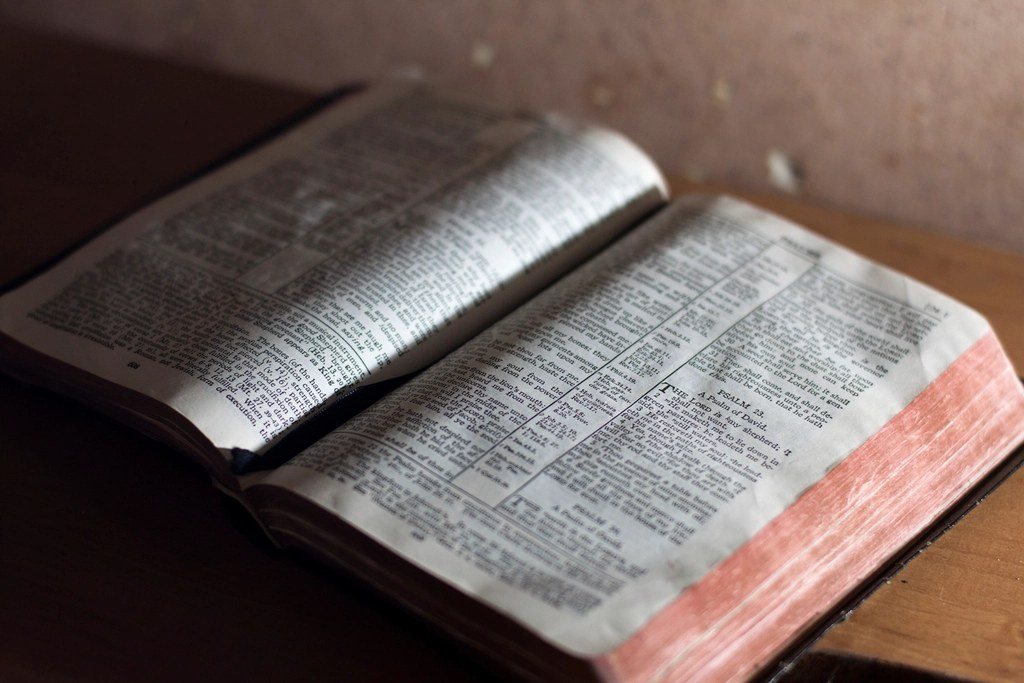
- Write down five names. List the people who shaped your faith, living or gone. Keep the list in your Bible.
- Tell one story at dinner. Ask everyone at the table to share one person who showed them what following Jesus looks like.
- Visit a grave or a photo. Spend a few quiet minutes giving thanks for a life that pointed you toward God.
- Thank a living saint. Paul wrote in Philippians 1:3 (NIV), “I thank my God every time I remember you.” Send that sentence to someone this week, along with one specific memory.
- Light a candle at church. If your congregation reads names or lights candles, bring the names on your list with you.
Why does remembering the saints matter now?
Remembering is not nostalgia. Hebrews 12 links the cloud of witnesses directly to how believers run today. The people on your list are proof that faithfulness is possible in ordinary lives, through hard seasons and long years.
It also raises a quiet question: whose list will your name be on? Someone is watching how you pray, forgive and serve. Every family and every church is always raising its next generation of ordinary saints.
Back in that kitchen, the grandchild closes the drawer and keeps the Bible. This Sunday, it goes to church with them. When the names are read, they open the inside cover and add one more line under hers: their own child’s name, written in pencil, ready to be prayed for.
Share your story
Who handed the faith to you? A grandmother with a taped-up Bible, a teacher, a neighbor? Tell us about the ordinary saint in your story and how their faith still shows up in your family today.
Frequently asked questions
What is the difference between All Saints' Day and All Souls' Day?
All Saints' Day on Nov. 1 honors all the saints in heaven, known and unknown. In Catholic tradition, All Souls' Day follows on Nov. 2 and is a day to pray for all the faithful departed. Some Protestant congregations remember the departed as part of their All Saints' observance instead.
Do Protestants celebrate All Saints' Day?
Yes. Episcopal and United Methodist churches, among others, observe All Saints' Day or All Saints' Sunday. Many United Methodist congregations celebrate it on the first Sunday in November by reading the names of members who died in the past year.
What is the communion of saints?
The phrase comes from the Apostles' Creed. Many traditions, including United Methodists, understand it as the fellowship of all believers in Christ, both those who have died and those still living. All Saints' Day celebrates that shared family of faith.
What does 'cloud of witnesses' mean in Hebrews 12:1?
Hebrews 12:1 follows a long list in Hebrews 11 of people who lived by faith, from Abel and Abraham to Moses and Rahab. The 'cloud of witnesses' refers to those faithful people, whose lives encourage believers to keep running their own race with perseverance.
What can families do on All Saints' Day?
Families can share stories about faithful relatives, look through old photos, visit a grave, or write thank-you notes to living mentors. Even a few minutes of remembering at dinner can help children see faith as something passed from person to person.
Sources
- The Episcopal Church: All Saints' Day (glossary)
- Discipleship Ministries (ResourceUMC): Ways to remember the lives and work of church saints
- New Advent: Catholic Encyclopedia, All Saints' Day
- New Advent: Catholic Encyclopedia, All Souls' Day
- United Methodist Communications: All Saints Day, a holy day John Wesley loved
- Bible Gateway: Hebrews 12:1 (NIV)