Let the Need Show You Where to Grow
How one Idaho dad turned a single bunk bed into a nonprofit that has delivered 400,000 beds to kids
By Austin Holmes, Co-Founder & President, Publicity For Good & Signal Raptor / Host of OverPressure Podcast
Focus Insights
- Some of the most urgent problems in a community go unseen until someone talks about them in public.
- Volunteers stay when their work makes a visible difference, so the volunteer experience deserves as much planning as the mission.
- A simple, repeatable chapter model lets a nonprofit grow faster than one founder ever could alone.
Luke Mickelson spent the first part of our conversation describing a six-year-old girl, connected to him through a friend, who had never slept in a bed. Her family had been living in the back of her mom’s car, and once they had a house, her bed was a pile of school clothes in the corner, with a shirt as a pillow and pants as a blanket. When Luke carried in the bunk bed he and his kids had built in their garage, she hugged it and kissed it.
Leadership and purpose-driven organizations are two of my favorite subjects, and Luke’s story covers both. A farm kid from small-town Idaho now based in Twin Falls, he built a career in outside sales for a water treatment company and, around 2012, found himself with a good job, a family and a coaching role, still searching for something that felt meaningful. That search became Sleep in Heavenly Peace, a nonprofit that has delivered 400,000 beds since 2018.
Child Bedlessness Went Unnoticed in His Own Town
Luke first heard about the problem in a meeting at his church, where he led the Boy Scouts program. A woman described a local family whose kids were sleeping on the floor. He had never built furniture, so he used his daughter’s bunk bed as a model, and the Scouts built one for that family.
A short time later, his own kids asked for another Xbox during a TV commercial. Luke walked to the garage with some leftover wood and had them help him build a second bed. His wife suggested posting it on a Facebook buy, sell and trade group, and the comments surprised him. People he barely knew wrote about kids sleeping on concrete, on pallets and on bare floors in his own town. That post led him to the six-year-old girl, and to the realization that a bed meant dignity for the whole family.
The lesson I’d take from this, and Luke said as much, is that nobody can fix a problem they don’t know exists, and sometimes one honest public post brings out the demand that was there all along.
Let the Need Show You Where to Grow
That first holiday season, Luke and his family built 21 beds, and for many of those kids the bed was their only Christmas present, and the next year they built 51. Child protective services, foster care workers and CASA volunteers started calling him regularly, and one of them explained why. For kids in those situations, a bed is often the hardest thing to find.
By year three, the work had outgrown a family project, and Luke started a nonprofit. When he searched the country for another charity doing the same thing, he found just one. During our talk I mentioned that sleep is the first step toward a better life, and it’s surprising how few resources stop there.
Turn Volunteers Into Chapters
Growth came from people asking to help. Strangers knocked on Luke’s door to sand and stain wood in his garage, and friends in other towns asked to start their own version. Around 2017, they launched five chapters in five months.
Then Mike Rowe featured them on his show Returning the Favor. He gave them a warehouse to use for a few years, and Luke says the episode reached about 10 million viewers. They opened 130 chapters that first year. Today they have more than 400 chapters, have trained almost 500 chapter presidents and work in four countries.
Make the Volunteer Experience Count
Luke admits he got one thing wrong early, and he credits a volunteer named Hank with changing his mind. His view now is that the volunteer experience matters as much as the mission. People feel fulfilled when they know the job wouldn’t have been finished without them, so he warns nonprofits against taking that work away from their volunteers.
At the building where Luke met Hank, about 80 people spent roughly four hours turning raw two-by-fours into beds, and many of them had never held a drill. Hank was an older man who had worked as a carpenter for 40 years, so Luke put him on the saw, where every cut had to be precise. Match people to work that uses what they know, and give everyone a part they can point to when the day is done.
Child Bedlessness by the Numbers
- Luke’s organization estimates that more than 3% of the population are children without a bed, roughly 13 million kids in the United States.
- Its waiting list usually holds more than 120,000 children and has reached 160,000.
- The nonprofit has delivered 400,000 beds since 2018, and its chapters cover roughly 30% of the country.
- Agencies such as child protective services, foster care programs and CASA often find beds harder to secure than other basic needs.
Find Your Version of the Bed
Luke says passion is what leads people to purpose, and that a sense of purpose is one of the most important things a person can have. For a lot of founders, the opportunity is already close by and simply hasn’t been talked about yet. Ask your team and customers which problems nobody seems to be solving and share what you learn in public, then give the people who show up a real job to do.
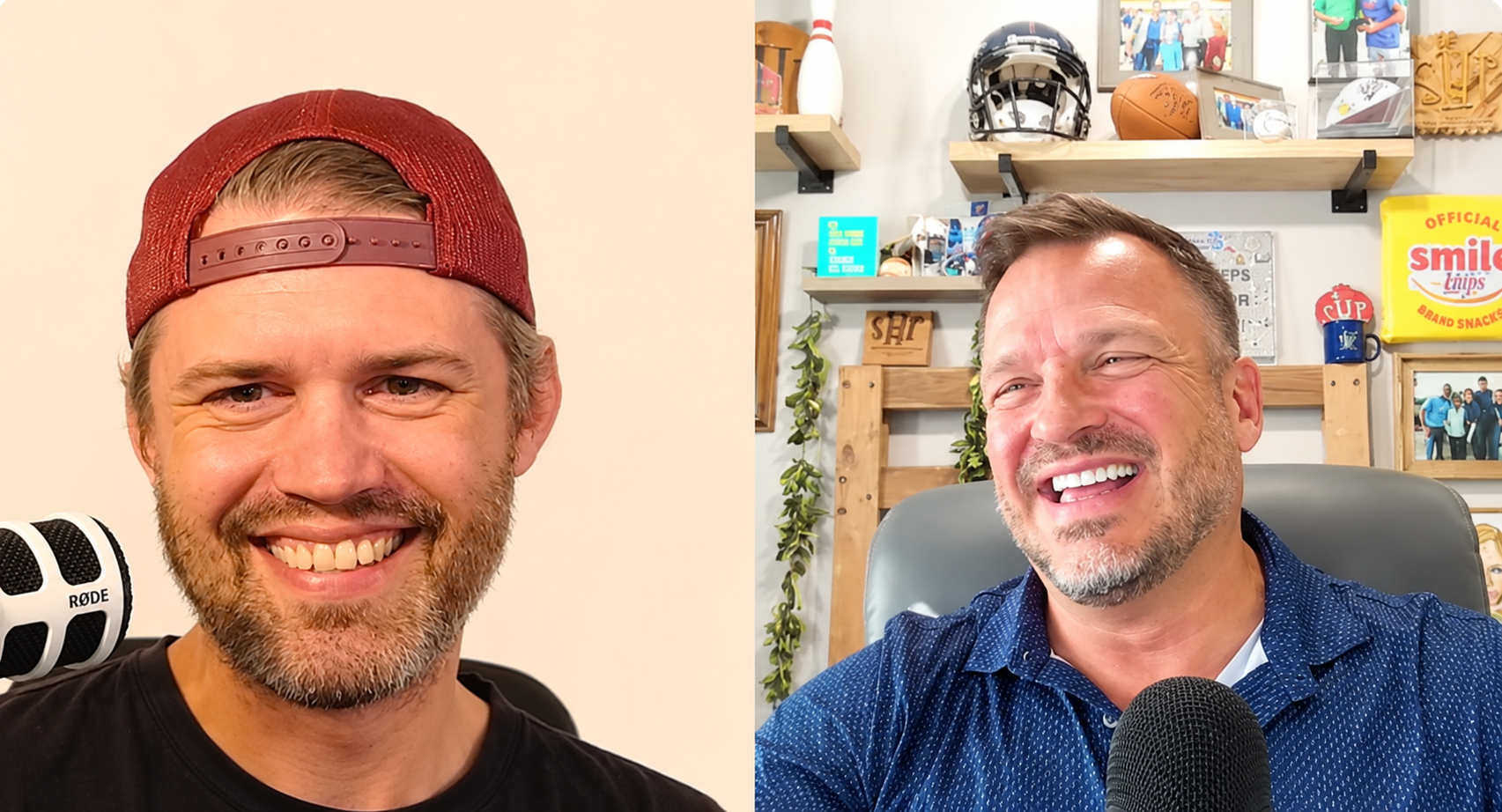
Luke Mickelson’s OverPressure Podcast episode can be streamed through YouTube or Spotify.
——-
About the Author
Austin Holmes is a Navy Special Operations veteran, father, and entrepreneur. He is the co-founder and President of Publicity For Good and CEO of Signal Raptor, a SaaS-enabled PR platform that modernizes one of the most traditional industries by productizing services and pairing technology with human expertise. He hosts the OverPressure Podcast, where he interviews veteran entrepreneurs about building businesses under real-world pressure.